
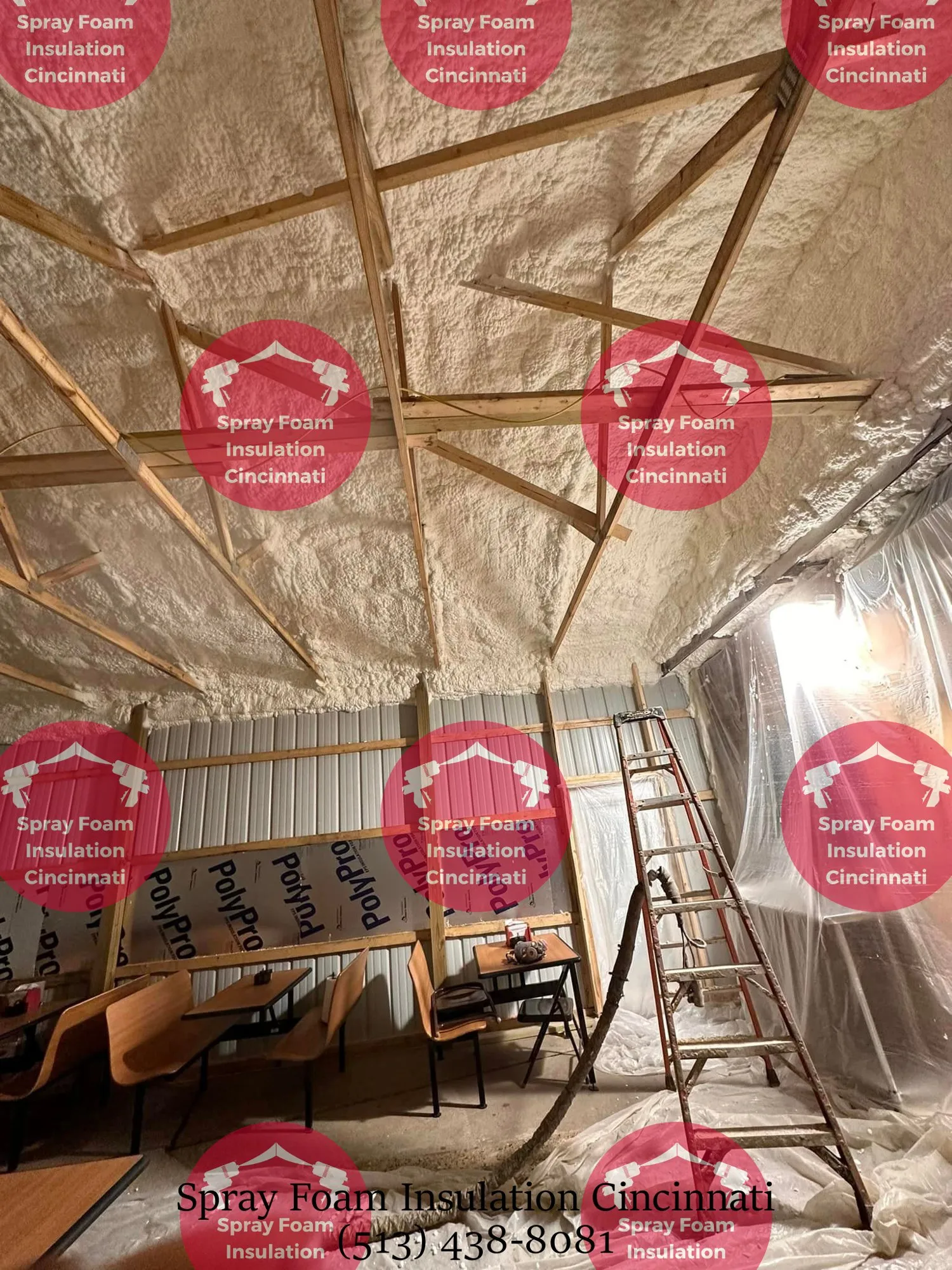
Closed-Cell Foam Insulation Cincinnati
Closed-cell spray foam for Cincinnati homes and commercial properties where density, moisture resistance and high insulating value per inch are important.
Closed-cell foam is denser than open-cell foam
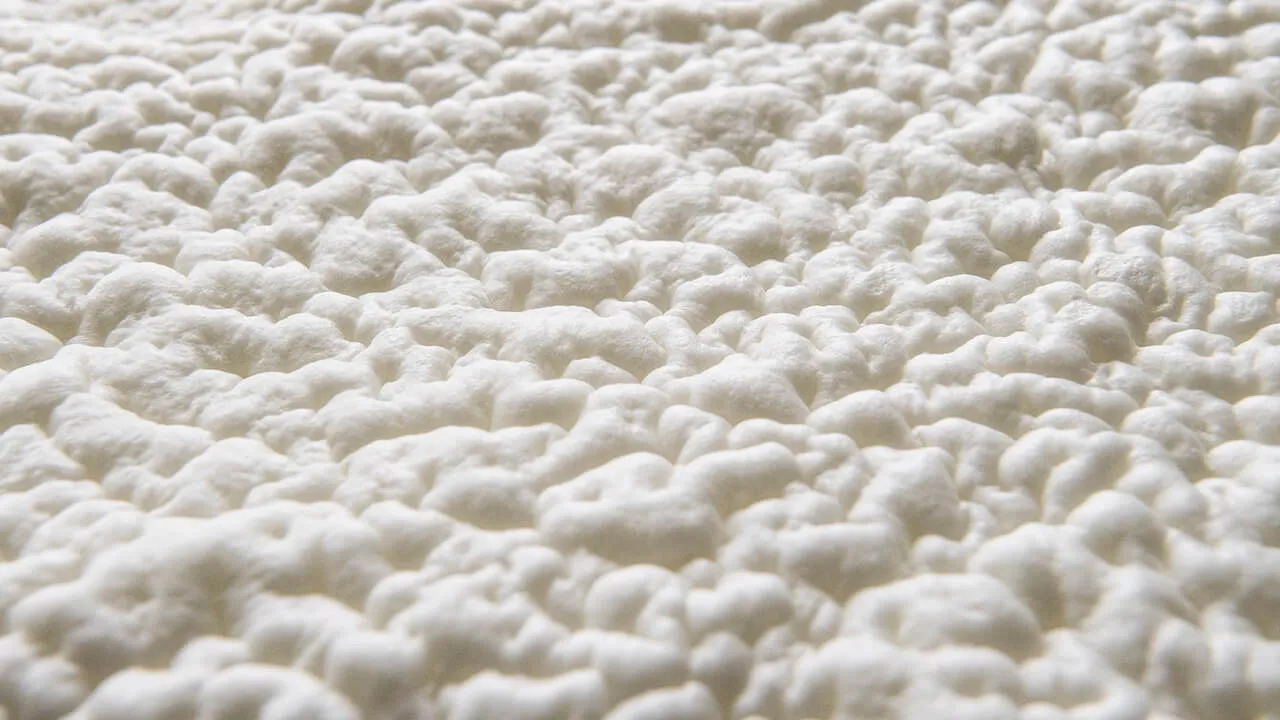
Closed-cell foam is heavier, firm, durable and non-porous compared with open-cell foam. It can be applied to ceilings, slabs and walls, and it seals around electrical openings and wall transitions.
That density is useful in Cincinnati basements, crawl spaces, rim joists, walls and other assemblies where moisture and air movement need careful control. If the project is mostly attic comfort, compare this page with attic insulation in Cincinnati.
For the full offer and estimate form, return to the local spray foam insulation overview.
Where closed-cell foam often makes sense
Basements and rim joists
Dense foam can seal small gaps where cold air and moisture often enter older houses.
Walls and transitions
Openings and areas where walls meet doors or windows can leave voids that need attention.
Commercial assemblies
Closed-cell foam is often considered where air, vapor and moisture control matter.
Space-limited areas
Closed-cell foam has a higher R-value per inch than open-cell foam.

Closed-cell versus open-cell is a project decision
Open-cell foam is lighter, while closed-cell foam is denser and resists air and liquid movement. That does not make one product right everywhere. The choice depends on the assembly, moisture risk, code requirements, access and budget.
For broader service planning, see Cincinnati insulation contractors and material options. For a simpler residential foam overview, review foam insulation in Cincinnati.
Compare Dense Foam With Other Services
Closed-Cell Foam Insulation Cincinnati FAQ
What is the main benefit of closed-cell foam?
Closed-cell foam offers higher R-value per inch, a firm structure, and resistance to air and moisture movement.
Is closed-cell foam more expensive than open-cell?
Closed-cell foam is generally more expensive. Exact project cost depends on thickness, area, access and prep.
Can closed-cell foam help with noise?
It can help with noise reduction, but sound goals should be discussed during the estimate because assemblies vary.
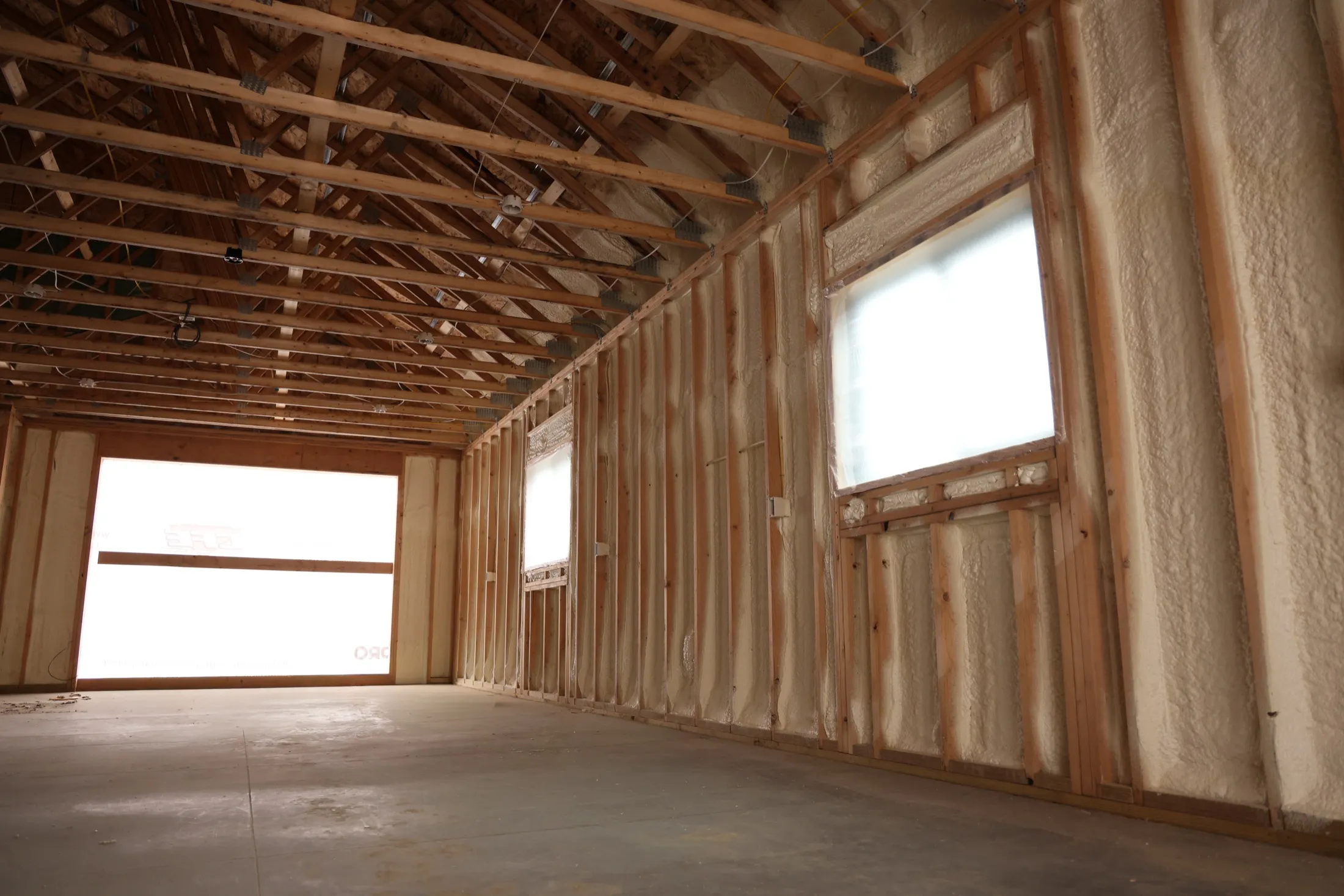
Ask About Closed-Cell Foam
Share the area, access and moisture concerns so we handle whether closed-cell foam fits the project.